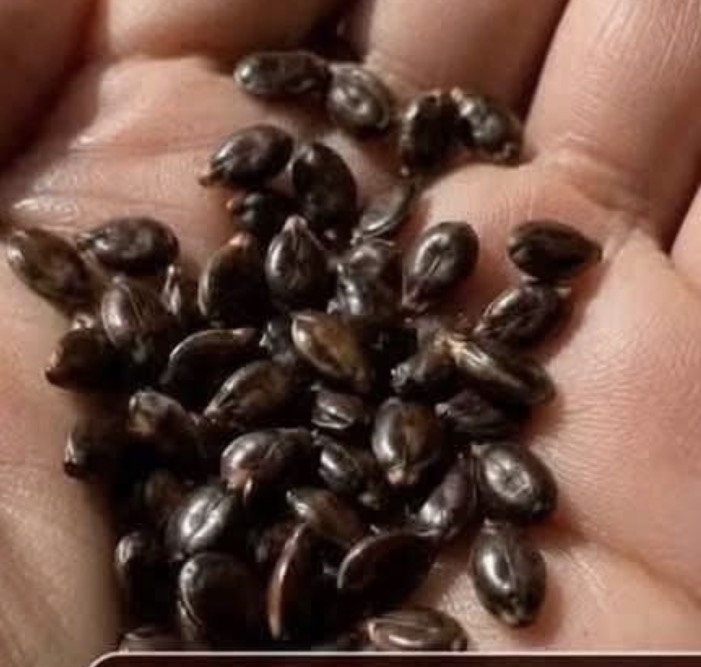
Natural seeds are often praised for their nutritional value and potential health benefits. Rich in fiber, healthy fats, vitamins, minerals, and antioxidants, many varieties can be part of a balanced diet that supports overall health. However, claims that a particular seed or homemade recipe can eliminate all cancer cells from the body require careful scientific evaluation.
Understanding the difference between nutritional benefits and proven cancer treatments is essential for making informed decisions about your health.
What Are the Seeds Shown in the Picture?
The seeds shown in the image appear dark, oval, and glossy, but their exact identity cannot be confirmed from the photograph alone. Different seeds have different nutritional properties, so it is important to identify them correctly before consuming them or using them in homemade remedies.
Some commonly consumed seeds, including flaxseeds, chia seeds, pumpkin seeds, and sunflower seeds, provide nutrients that contribute to a healthy diet. Nevertheless, no seed has been scientifically proven to eliminate all cancer cells from the human body.
Why Are Seeds Important for a Healthy Diet?
Seeds can provide several essential nutrients that help the body function properly. Their nutritional composition varies depending on the type, but many contain beneficial compounds.
1. Antioxidants and Cellular Health
Some seeds contain antioxidants, including vitamin E and various plant compounds. Antioxidants help protect cells against oxidative stress, which occurs when reactive molecules accumulate in the body.
Although oxidative stress is associated with several diseases, including certain types of cancer, consuming antioxidant-rich foods does not guarantee cancer prevention or treatment.
A balanced diet that includes a variety of fruits, vegetables, whole grains, nuts, and seeds can help provide important nutrients for general health.
2. Fiber for Digestive Health
Many edible seeds contain dietary fiber, which supports regular bowel movements and helps maintain a healthy digestive system.
Fiber also supports beneficial gut bacteria and can contribute to maintaining healthy cholesterol and blood sugar levels.
Eating fiber-rich foods as part of a balanced diet is associated with several health benefits. However, fiber should not be presented as a treatment that destroys cancer cells.
3. Healthy Fats for Overall Wellness
Certain seeds contain unsaturated fats, including omega-3 fatty acids. Flaxseeds and chia seeds are particularly well known for their alpha-linolenic acid content.
These fats support normal bodily functions and can contribute to cardiovascular health when included in a balanced eating pattern.
Despite their nutritional benefits, healthy fats from seeds are not a substitute for medical treatment for cancer or other serious illnesses.
Can Seeds Eliminate Cancer Cells?
One of the most common claims circulating on social media is that a simple seed-based recipe can remove every cancer cell from the body. Such statements can attract attention, especially among people searching for natural approaches to health.
However, there is no reliable scientific evidence that eating a particular seed or drinking a homemade mixture can eliminate all cancer cells in humans.
Some plant compounds have demonstrated biological effects in laboratory studies. Researchers continue to investigate whether these compounds could contribute to future medical treatments.
Nevertheless, laboratory findings do not automatically translate into effective treatments for people. Cancer is a complex group of diseases, and different cancers respond to different therapies.
Depending on the diagnosis, evidence-based treatments may include surgery, radiation therapy, chemotherapy, immunotherapy, targeted therapy, or hormone therapy.
Natural foods can complement a healthy lifestyle, but they should never replace prescribed cancer treatment.
Can Natural Seeds Help Protect Eye Health?
The image also mentions blindness, suggesting that the proposed recipe may protect vision. However, no seed-based remedy has been proven to prevent all causes of blindness.
Eye health depends on several factors, including nutrition, genetics, age, existing medical conditions, and access to appropriate eye care.
A balanced diet containing leafy green vegetables, colorful fruits, eggs, fish, and other nutrient-rich foods can help provide nutrients important for normal vision.
For example, vitamin A is essential for normal vision, while lutein and zeaxanthin are found in certain foods and accumulate in the retina.
However, nutritional support cannot reverse every eye condition. Sudden vision changes, eye pain, or sudden loss of vision require urgent medical assessment.
How to Include Edible Seeds in Your Daily Diet
If you want to enjoy the nutritional benefits of seeds, choose varieties that are clearly identified as edible and prepare them according to appropriate food-safety recommendations.
Here are several simple ideas:
- Add chia seeds to yogurt: Mix edible chia seeds into plain yogurt and allow them to absorb moisture before eating.
- Sprinkle flaxseeds over oatmeal: Ground flaxseeds can be added to breakfast cereals, oatmeal, or smoothies.
- Enjoy pumpkin seeds as a snack: Choose plain or lightly roasted pumpkin seeds for a convenient source of nutrients.
- Add sunflower seeds to salads: These seeds can provide texture and healthy fats.
- Mix seeds into homemade bread: Edible seeds can add flavor, texture, and nutritional variety to baked goods.
Introduce high-fiber foods gradually and drink enough water. If you have food allergies, digestive conditions, or specific dietary restrictions, consult a qualified healthcare professional about suitable choices.
Do not consume unidentified seeds, particularly when they are collected from unknown plants or promoted online as powerful medicinal remedies.
Important Safety Advice About Natural Cancer Remedies
Before trying a homemade remedy advertised as a cancer cure, check whether its claims are supported by reliable medical evidence.
Be especially cautious of posts promising to cure every type of cancer, restore lost vision, or eliminate cancer cells in a few days. These claims are not supported by established clinical evidence.
Some natural products may also interact with medications or cause unwanted effects. Concentrated extracts and supplements can pose different risks from ordinary amounts of foods.
Anyone diagnosed with cancer should discuss dietary changes and supplements with their oncology team. Stopping or delaying recommended treatment in favor of an unproven remedy can allow the disease to progress.
Final Thoughts
Natural seeds can be valuable additions to a balanced diet because they provide fiber, healthy fats, vitamins, minerals, and other beneficial plant compounds. Choosing a variety of nutritious foods can support general wellness and help maintain a healthy lifestyle.
However, no particular seed or homemade recipe has been proven to eliminate all cancer cells or cure blindness. Claims of this kind should be approached with caution, especially when they appear in viral social media posts without credible scientific references.
The best approach is to enjoy properly identified edible seeds as part of a varied diet while relying on qualified healthcare professionals for cancer prevention advice, diagnosis, and treatment. Combining sound nutrition with evidence-based medical care offers a safer and more reliable path to protecting long-term health.