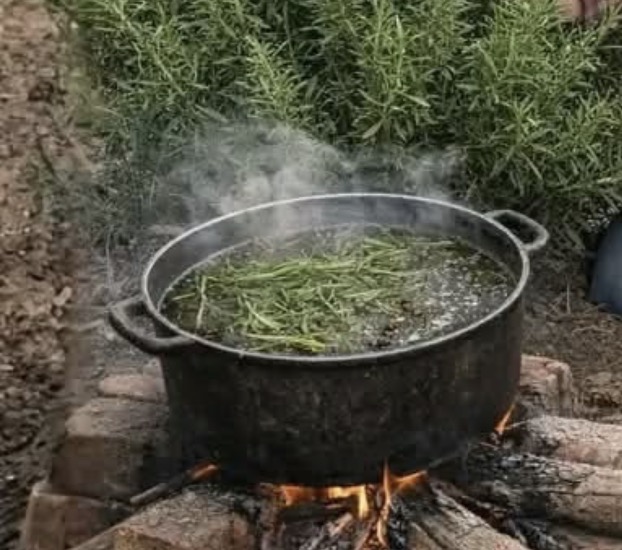
Rosemary and cloves are two aromatic ingredients commonly found in kitchens around the world. Rosemary is known for its fresh, pine-like fragrance, while cloves have a warm, spicy aroma that adds depth to teas, soups, and other preparations. When combined, these ingredients create a fragrant herbal infusion that can be enjoyed as part of a relaxing daily routine.
Although traditional remedies often associate rosemary and cloves with numerous health benefits, scientific evidence supporting many of these claims remains limited. Understanding how to prepare this simple infusion, what it may offer, and how to use it safely can help you make an informed choice.
What Makes Rosemary and Cloves Special?
Rosemary is an aromatic herb traditionally used in Mediterranean cooking. It contains naturally occurring compounds, including rosmarinic acid and carnosic acid, that have been studied for their antioxidant properties.
Cloves are dried flower buds from the clove tree. They contain eugenol, an aromatic compound that has been investigated for its antioxidant and other biological properties.
Both ingredients have a long history of culinary use. However, research conducted on isolated compounds or laboratory samples does not necessarily demonstrate that drinking an infusion produces the same effects in humans.
Ingredients for Rosemary and Clove Tea
You only need a few simple ingredients to prepare this aromatic drink at home.
Ingredients:
- 2 small fresh rosemary sprigs or 1 teaspoon of dried rosemary
- 2 to 3 whole cloves
- 2 cups of water
- 1 teaspoon of honey, optional
- A small slice of lemon, optional
Fresh rosemary provides a pleasant herbal fragrance, while dried rosemary offers a convenient alternative. Whole cloves release their aroma gradually as they steep in hot water.
Honey and lemon are optional additions that can adjust the flavor according to your preferences.
How to Prepare Rosemary and Clove Infusion
Step 1: Prepare the ingredients
Rinse fresh rosemary thoroughly under running water. Measure the cloves and place both ingredients near the stove.
Step 2: Heat the water
Pour two cups of water into a small saucepan and bring it to a boil.
Step 3: Add the rosemary and cloves
Reduce the heat and add the rosemary and whole cloves. Allow the mixture to simmer gently for approximately three to five minutes.
Step 4: Let the ingredients steep
Turn off the heat, cover the saucepan, and allow the infusion to steep for another five minutes. This gives the water time to absorb some of the ingredients’ characteristic aromas.
Step 5: Strain and serve
Strain the liquid into a cup to remove the rosemary and cloves. Let it cool to a comfortable drinking temperature before serving.
If desired, add a little honey or lemon for flavor. Enjoy the drink occasionally as a warm herbal beverage rather than treating it as a remedy for a medical condition.
Potential Benefits of Rosemary and Cloves
Rosemary and cloves contain plant compounds that researchers continue to investigate. However, it is important to distinguish established information from traditional beliefs.
1. A Source of Plant Antioxidants
Rosemary and cloves contain compounds with antioxidant activity in laboratory studies. Antioxidants can help neutralize certain reactive molecules under specific conditions.
Nevertheless, the antioxidant activity of an ingredient in laboratory experiments does not automatically translate into measurable health benefits from drinking tea.
2. A Fragrant Addition to Your Routine
The aromatic qualities of rosemary and cloves can make this infusion an enjoyable alternative to sweetened beverages. Preparing a warm drink may also provide a pleasant opportunity to slow down and relax.
3. A Traditional Culinary Combination
Both ingredients have been used in traditional cooking and household preparations for generations. Their distinctive flavors make them useful for experimenting with different herbal beverages.
4. An Alternative to Sugary Drinks
When prepared without added sugar or honey, rosemary and clove infusion contains very few calories. Replacing some sugary drinks with unsweetened beverages can be a practical part of a balanced diet.
Can Rosemary and Cloves Improve Hair or Skin?
Online posts sometimes claim that rosemary and cloves can stimulate hair growth, eliminate wrinkles, or transform the skin. These claims should be approached carefully.
Some research has investigated rosemary preparations for hair and scalp applications, but the evidence does not establish that drinking rosemary and clove tea promotes hair growth.
Similarly, there is insufficient clinical evidence that this particular infusion removes wrinkles, clears acne, or reverses skin aging.
For healthy-looking skin, a gentle skincare routine, appropriate moisturizing, and daily sunscreen have better-established roles. If you are experiencing significant hair loss or a persistent skin problem, consult a qualified healthcare professional for appropriate advice.
Important Safety Precautions
Natural ingredients can still cause side effects or interact with medications.
Rosemary and cloves used in ordinary culinary quantities are generally tolerated by many adults, but concentrated extracts and essential oils are different from food ingredients. Do not swallow essential oils or add concentrated essential oils to this infusion.
Cloves contain eugenol, which can affect blood clotting, particularly in concentrated forms. People taking anticoagulant or antiplatelet medication, those with bleeding disorders, and people preparing for surgery should seek professional advice before using concentrated clove preparations regularly.
If you are pregnant, breastfeeding, taking medication, or managing a medical condition, consult a healthcare professional before using herbal preparations for medicinal purposes.
Stop drinking the infusion if you experience an unwanted reaction. Never use it as a substitute for prescribed treatment or professional medical care.
How Often Can You Drink Rosemary and Clove Tea?
There is no well-established, evidence-based daily dose for rosemary and clove infusion as a health treatment.
If you are a healthy adult who enjoys herbal beverages, an occasional cup prepared with small culinary quantities may be a reasonable choice. However, drinking larger amounts does not guarantee greater benefits.
Pay attention to how your body responds, and avoid concentrated preparations or excessive consumption.
Final Thoughts
Rosemary and cloves make a flavorful combination for a simple homemade herbal infusion. With just water, a small amount of rosemary, and a few whole cloves, you can prepare a warm beverage that fits easily into your everyday routine.
Although these ingredients contain interesting plant compounds and have a long history of traditional use, claims about dramatic health transformations are not supported by sufficient clinical evidence.
Enjoy this infusion for its aroma and taste, maintain a balanced lifestyle, and choose evidence-based approaches when addressing specific health concerns. Sometimes, the simplest kitchen ingredients are best appreciated for what they genuinely offer: flavor, fragrance, and a comforting homemade drink.