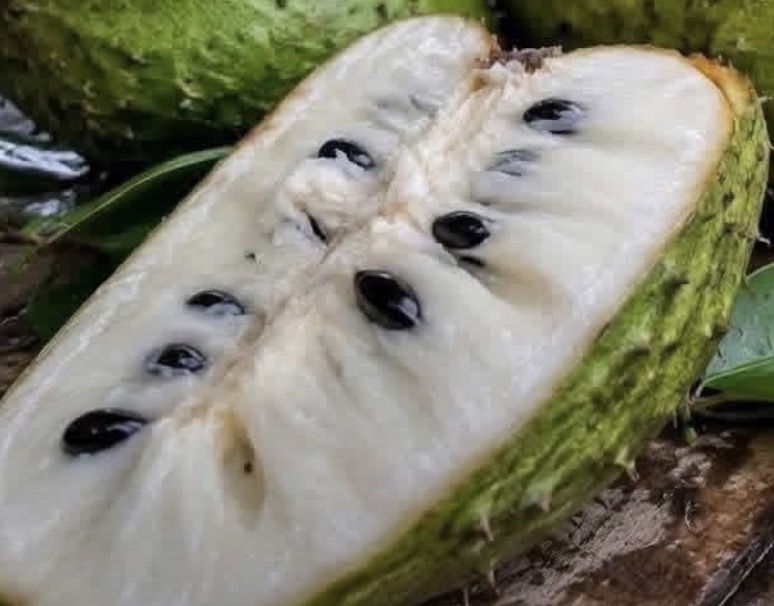
Soursop, scientifically known as Annona muricata and commonly referred to as graviola, guanábana, or Brazilian pawpaw, is a tropical fruit native to the tropical regions of the Americas and the Caribbean. Characterized by its spiky green outer skin, fibrous white flesh, and dark seeds, soursop has gained widespread international popularity not only for its distinct flavor profile—often described as a combination of strawberry and pineapple with citrus undertones—but also for its remarkable nutritional value and potential health benefits.
Nutritional Profile of Soursop Fruit
Soursop is an exceptionally nutrient-dense fruit that delivers a wide array of essential vitamins, minerals, and dietary fiber while remaining relatively low in calories. A single serving provides a rich source of vitamin C, an essential antioxidant that supports immune system function, enhances skin health, and protects cells against oxidative stress. Furthermore, soursop contains beneficial amounts of potassium, magnesium, iron, and B vitamins such as folate and niacin.
The fruit is also packed with plant compounds known as acetogenins, flavonoids, and phytosterols. These bioactive phytochemicals are responsible for many of the medicinal properties traditionally attributed to various parts of the Annona muricata tree, including its fruit, leaves, bark, and seeds.
Powerful Antioxidant and Anti-Inflammatory Properties
One of the primary health benefits associated with soursop is its high concentration of natural antioxidants. Antioxidants are crucial compounds that neutralize harmful free radicals in the human body, reducing cellular damage and lowering the risk of chronic diseases. Research indicates that the antioxidants found in graviola, particularly luteolin, quercetin, and tangeretin, help reduce systemic inflammation throughout tissues and joints.
Chronic inflammation is linked to various health conditions, including cardiovascular disease, arthritis, and metabolic disorders. Incorporating antioxidant-rich fruits like soursop into a balanced diet can help support the body’s natural defense mechanisms against inflammatory stress.
Supporting Digestive Health and Gut Immunity
Maintaining optimal digestive function is vital for overall health, and soursop contributes positively to digestive wellness in several ways:
High Dietary Fiber: A single cup of raw soursop pulp contains several grams of dietary fiber. Fiber promotes regular bowel movements, prevents constipation, and supports a healthy gut microbiome by nourishing beneficial intestinal bacteria.
Natural Antimicrobial Action: Traditional medicine practices have long utilized soursop extracts to manage internal parasites and digestive discomfort. Modern studies suggest that extracts from the plant exhibit antibacterial properties that may help suppress harmful pathogens in the gastrointestinal tract.
Hydration: Due to its high water content, consuming fresh soursop helps maintain proper hydration levels, which is essential for efficient nutrient absorption and digestive motility.
Enhancing Immune System Function
A robust immune system relies on a steady intake of vital micronutrients. Soursop is an outstanding source of vitamin C, delivering a significant portion of the recommended daily intake in a single serving. Vitamin C stimulates the production and activity of white blood cells, which serve as the body’s primary line of defense against viral and bacterial infections. Combined with its anti-inflammatory phytonutrients, consuming soursop regularly can help strengthen overall immunity during seasonal changes.
Potential Role in Managing Blood Sugar and Pressure
Emerging research suggests that soursop extracts may aid in maintaining healthy blood sugar levels and supporting cardiovascular wellness. In animal studies, graviola extracts demonstrated the ability to regulate blood glucose levels by improving insulin sensitivity and protecting pancreatic cells. Additionally, the potassium and magnesium content in soursop helps relax blood vessel walls, encouraging healthy circulation and aiding in blood pressure regulation. However, individuals managing diabetes or hypertension should consult healthcare professionals before consuming high concentrations of graviola supplements.
How to Enjoy Soursop in Daily Diet
Incorporating soursop into your regular eating routine is simple and enjoyable:
Fresh Consumption: Slice the ripe fruit in half, discard the inedible dark seeds, and scoop out the soft white pulp with a spoon to eat fresh.
Smoothies and Juices: Blend the pulp with coconut water, banana, or ice to create a refreshing tropical smoothie or beverage.
Desserts and Sorbets: The creamy texture of soursop makes it an ideal base for healthy homemade ice creams, sorbets, yogurts, and fruit salads.
Soursop Tea: The dried leaves of the graviola tree are frequently brewed into a soothing herbal tea enjoyed worldwide for its relaxing properties.
Important Precautions and Considerations
While consuming fresh soursop fruit in culinary amounts is generally safe for most healthy individuals, caution should be exercised regarding concentrated dietary supplements, seeds, and root extracts. Soursop seeds and bark contain neurotoxins known as annonacin, which in extremely high and prolonged doses may negatively affect nervous system health. Pregnant women, nursing mothers, and individuals taking medication for high blood pressure or diabetes should seek medical advice before introducing graviola supplements into their daily routine.
Conclusion
Soursop (Annona muricata) stands out as an extraordinary tropical superfood that bridges culinary delight with wellness benefits. With its rich blend of vitamin C, dietary fiber, potent antioxidants, and unique phytochemicals, adding fresh soursop to a balanced lifestyle offers a natural, delicious way to support immune strength, digestion, and vitality.